Types of Taxes in Pakistan: an Ultimate Guide for Individuals & Business
Taxes are the lifeblood of any country’s economic system. Taxes enable the government to collect revenue, which is used in Pakistan to provide public services and build infrastructure. In this article, we will explore the various types of taxes in Pakistan and their implications for individuals, businesses, and freelancers. Since this is a very long article, we’ll cover different definitions you need to know on taxes in Pakistan how they work and how can manage your tax duties.
Types of Taxes in Pakistan
Pakistan taxation system is classified into two categories; Direct Taxation and Indirect Taxation. These two taxes are both crucial to the operation of government and the health of the economy. Here’s the breakdown for the different categories:
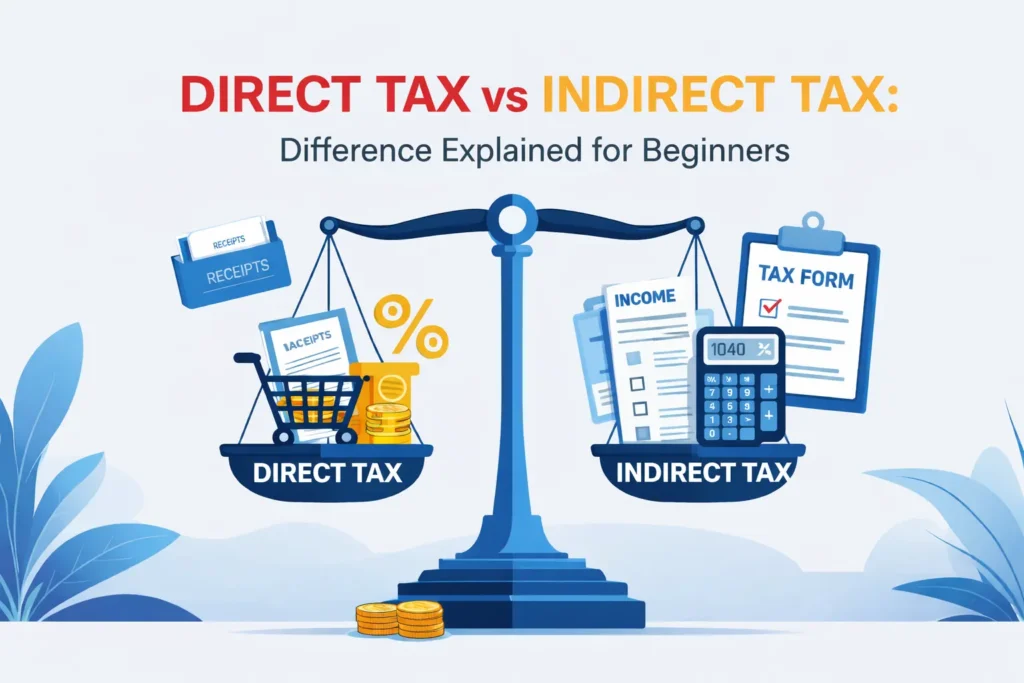
Direct Taxes
Direct taxes are those which are imposed directly upon an individual or a concern’s income, property, or assets. Direct taxes : These are directly paid by the taxpayer and usually depend on their income or wealth. Some of the examples of direct taxes levied in Pakistan are :
Income Tax
One of the major forms of taxation in Pakistan is income tax. This is a tax that is levied on the earnings of taxpayers, businesses and companies. The income tax rate varies depending on the level of income and type of income achieved. In Pakistan, income tax types are as follows:
Individual Income Tax
This is levied on individuals who are earning income from their salary, business, and etc. (The rates are progressive, so the tax increases as income level goes up.
Corporate Income Tax
This is the tax imposed on the income of companies or corporations in Pakistan.
Withholding tax
A deduction (from salary, dividends) This tax is deducted and submitted by the payer (employer, bank, etc.).
Wealth Tax
Wealth tax is assessed on individuals according to their wealth. These might be assets, such as property, bank balances, investments and other valuables. Since then, the wealth tax has been downgraded many times, but still some forms of wealth taxable in certain circumstances.
Capital Gains Tax
Capital gains tax is levied on sales of capital assets such as real estate or stocks. When you sell these assets for a profit, that profit is subject to capital gains tax.
Property Tax
It is imposed on people who have property in Pakistan Property tax is charged on the value of property, collected by local authorities;
Indirect Taxes
These are taxes levied on goods and services, rather than income or wealth. Most of these taxes ultimately end up being passed through to the consumer as higher prices. These are the most common examples of indirect taxes in Pakistan:
Sales Tax
Pakistan levies a Sales tax on sale of goods and service. This is then levied on the value added to goods and services at each point in the production and distribution chain. Pakistan has a standard sale tax of 17% but there could be different rates for some goods and services.
Customs Duty
Imported goods are subject to customs duty. Customs duty is levied at a particular rate, which varies based on the category of goods imported and their value. In Pakistan, customs duty is an essential government revenue channel as a large part of the industries are located among imports.
Excise Duty
Excise duty is levied on certain goods such as luxury products, alcohol, tobacco and petroleum goods. It is a federal indirect tax levied.
Other Taxes
In addition to the primary direct and indirect taxes, Pakistan also has a number of other taxes, such as:
Stamp Duty
Charged on legal documents like property transfer, contracts and agreement.
Motor Vehicle Tax
A tax assessed on owners of motor vehicles. It is assessed according to a vehicle’s type and weight.
Education Cess
A tax on certain goods and services that is earmarked for use in education funding.
Taxation on Types of Income in Pakistan
There are separate rules and income tax rates in Pakistan for each category of taxpayer as per their source of income. Now here are different types of income taxes in Pakistan:
Individual Income Tax
The income from individuals is called “Individual income tax” The tax is progressive, which means that the rate rises with income. Income Tax Slabs: The income tax slabs set by the Federal Board of Revenue (FBR) are changed every year according to government policy and economic conditions.
FBR Income Tax Slabs
Salary Income: These FBR income tax slabs for salaried individuals vary depending on the range of salaries. Depending on the taxpayer’s income bracket, the tax rate may vary from zero percent for lower-income households to higher rates for upper-income brackets.
Non salary Income: Non salary income may include rental income, business profits, dividends in the case of investments. The non-salary income tax rate typically differs from salary income.
Corporate Income Tax
Institutions/ companies engaged in business in Pakistan are liable to pay corporate income tax. It is a fixed rate tax charged on the profit earned by one company Thus, companies with higher profits pay a higher tax rate.
Withholding Tax
According to the IRS, in the U.S. context, this means that you are not collecting tax on income but rather withholding tax. Which means that some entities eg. employers/banks are responsible for withholding the tax before making a payment to an individual. This can include salary tax, dividend tax, interest tax, etc.
Income Tax Return Form for Salaried Individuals (FBR)
If you fall under the category of salaried persons in Pakistan, then you need to file your income tax return with Federal Board of Revenue (FBR). The income tax return form for salaried persons is basically a document where you declare your income and compute the amount of income tax you owe.
The FBR income tax return form for salaried persons is available and can be submitted online via the official site of FBR. This method allows individuals to file their taxes accurately and efficiently with the ease of online filing.
How to Determine Attributable Taxable Income in Pakistan?
They are also aware about what is called as Calculating attributable taxable income. Allowable deductions — expenses, exemptions and deductions permitted under the tax laws — are subtracted from this.
Online tools such as the Income Tax Pakistan Calculator can help you compute your tax liabilities against your income to ensure you are calculating your taxable income correctly.
Pakistan Types of Taxes PDF
Online resources are great, but in case you want a detailed reference document to work offline, below-mentioned links provide comprehensive guides / PDFs which cover types of taxes:. This usually includes PDFs of the tax structure, rates, exemptions and filing procedures. You can download these from official FBR website or get the latest and detailed tax documents from any tax advisory firm.
Business Income Tax Calculator Pakistan
This article focuses on the significance of tax obligations for businesses running and operating in Pakistan. A income tax calculator for business income can determine taxes on business profits. Generally, the tax rate on business income is a flat rate charged on net income. This is easy, but depending on the nature of the business and size, tax deductions or exemptions it might be eligible for, the Calculation can get complicated.
FBR Income Tax Exemption List
The list of income that are exempt from the income tax in Pakistan is also provided by the FBR. Some common exemptions include:
An overview of the exemptions available, such as those under the FBR income tax exemption list, for individuals and businesses can be significant by decreasing liabilities considerably.
Tax Slabs in Pakistan
What are Adjustable Taxes?An adjustable tax is a tax that can be adjusted, partially or fully decent person. In Pakistan, taxes which could be withheld from certain income (such as withholding tax) are sometimes entered for adjustment against future tax liabilities. For instance:
Advance Tax: Such taxes paid in advance can be adjusted while filing the tax return.
Withholding Tax: It is tax deducted at source, and it can be adjusted against the final tax liability.
Potential Tax Liabilities for Businesses and Individuals: By understanding these taxes, businesses and individuals can prevent overpaying on their taxes and utilize their tax obligations to the fullest extent.
Conclusion
Taxes are the lifeblood, and understanding different types of taxes are crucial from an individual and business perspective in Pakistan. Regardless of whether you are salaried, self-employed or have a business to run, understanding tax laws helps you remain in compliance with the Federal Board of Revenue (FBR). As an online service, a tool like Income Tax Pakistan Calculator are available and the business income tax calculator is easy to access too. Therefore, the FBR income tax return form for salaried persons and another mention is of the FBR income tax exemption list which are to support you for filling up your taxes accurately or get some exemptions from it.
Individual and corporate income tax are the main components of profit income tax in Pakistan, which is an important subject for businesses to optimize the total amount payable as employees or companies. Without tax pros or reliable online resources, who are you to understand your tax obligations?
Stay updated with tax laws and regulations, you may avoid any problem by managing your online presence and tax commitments — a tool to achieve financial success in Pakistan.